
Donor Advisory
Safe Blood starts with me
South African National Blood Service (SANBS) is responsible for
collection of over a million units of safe blood and blood products
annually. In order to achieve this mammoth task, SANBS staff is
responsible for the recruitment and retention of regular, safe blood
donors, who are essentially the lifeblood of our organisation.
Strict procedures are in place to ensure that donors act responsibly
when pledging their support by donating blood, and that they are NOT
giving blood to get a free AIDS test, but rather for the sole
purpose of helping to save a life.
The commitment of our blood donors ensures the safety of the blood
supply. SANBS attempts to encourage donors to give blood for purely
altruistic reasons. People who participate in unsafe lifestyle
behaviour (such as having casual sex, male-to-male sex, or taking
intravenous drugs, etc) are advised not to donate blood.
Blood donated by a volunteer donor is treated with utmost respect,
as each unit of safe blood donated is invaluable to patients who are
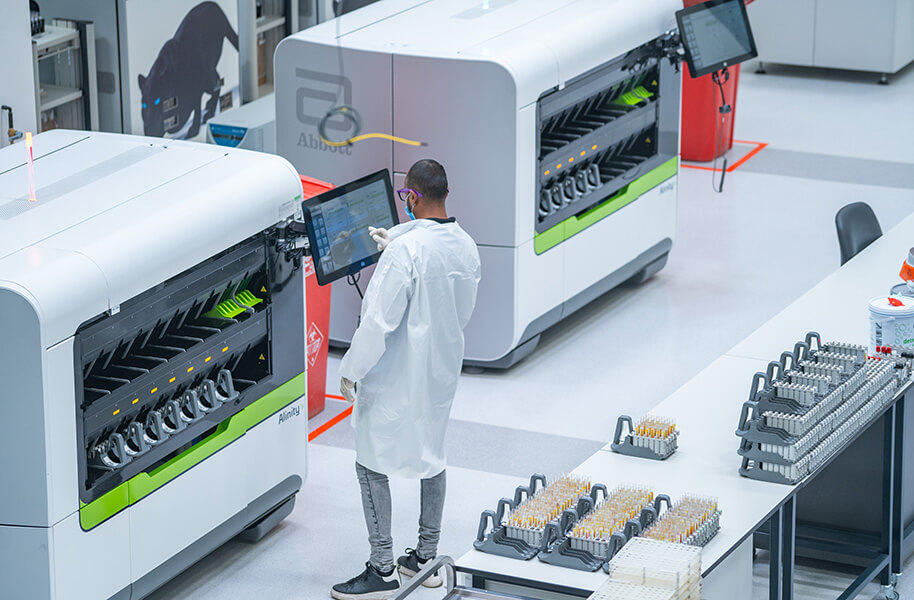
in dire need of this precious resource. Each unit is subjected to
strict and rigorous testing and processing procedures.
Once blood groups are verified, testing for various infectious
diseases (e.g. HIV/Aids, syphilis and hepatitis) is conducted.
However, the HI-virus is undetectable for a period of approximately
two weeks (or longer), known as the window period.
Low-risk blood donors
If the source of donated blood is safe, the final product is likely
to be safe. Voluntary, non-remunerated blood donors from low-risk
populations who give blood regularly are the foundation of a safe
and adequate blood supply.
A system of voluntary, regular, non-remunerated donation also
enables more cost-effective use to be made by reducing the volume of
donated blood that has to be destroyed because of evidence of
infectious disease markers.
Many countries have introduced legislation that allows blood
donation only by voluntary non-remunerated donors. This is only
achieved through the establishment of an effective programme of
blood donor recruitment and retention.
The identification of donor populations at low risk for
transfusion-transmissible infections, and the monitoring of
transfusion-transmissible infections in both the general population
and the donor population are also key elements of the strategy for
blood safety.
SANBS encourages South Africans to commit themselves to maintaining
a safe blood supply for the country. Blood is essential in the
treatment of many serious illnesses and it is import that South
Africa has sufficient blood available for all patients. Blood and
blood products are used for open-heart surgery, burn victims,
newborn babies and in the treatment of diseases such as leukaemia
and cancer.
Did you know?
There are four major blood groups: O, A, B and AB.
Group O is the most common blood and is always in demand. The total
percentage of Group O in SA is 46%.
Your body replaces liquid donated within 24 hours through fluid
intake.
Every time your heart beats, 20% of your heart’s output goes
directly to your brain, carrying oxygen vital for survival. Between
40 and 45% of your blood is made up of red blood cells that carry
this oxygen.
The remaining 55 to 60% is plasma, a small proportion of white blood
cells (which defend your body), clotting factors and platelets.
If every capillary, vein and artery in your body were placed end to
end, they would cover a distance of 150 000 kilometers.
The average volume of blood in an adult body is 4 to 5 litres, or
about 8% of the body weight.
Never donate blood to have a "free HIV test"!
Some South Africans still live under the misconception that they can
get a free HIV test if they donate blood. This belief poses a risk
to patients and is a constant challenge to SANBS, which is committed
to the provision of sufficient, safe blood to patients who need a
blood transfusion as part of their medical treatment.
The costs of HIV tests may be one of the factors that influence
people’s decision to approach a blood donation clinic in order to
get a “free” test.
In order to protect the patient, blood is tested for various
diseases that may be transmitted through blood transfusion. Each
unit of donated blood is subjected to strict and rigorous testing
and processing procedures.
Once blood groups are verified, tests for various infectious
diseases are conducted (such as HIV/Aids, hepatitis B and hepatitis
C). The result of the HIV test is not disclosed to the donor.
The window period
The HI virus is undetectable in the blood for a period of time after
infection (which, depending on the individual could be about four
weeks to three months or even longer). This period is known as the
window period. Therefore, donating blood purely to determine one’s
HIV status places the recipient at risk of infection.
Pre-counselling and post-counseling is also vital to someone who
suspects that they may be infected with the HIV. HIV tests should
therefore be done by a doctor, health clinics or designated HIV
testing Centres.
People who participate in sexual behaviour that places them at
increased risk (such as having casual sex, or men who have sex with
men) are advised to refrain from donating blood. The commitment of
our blood donors ensures the safety of our blood supply. SANBS
encourages donors to give blood for purely altruistic reasons.
For more information, call the SANBS toll free on 0800 11 9031 |
For more information,
call the
SANBS
toll free on
0800 11 9031
|
|