
Types of Donation
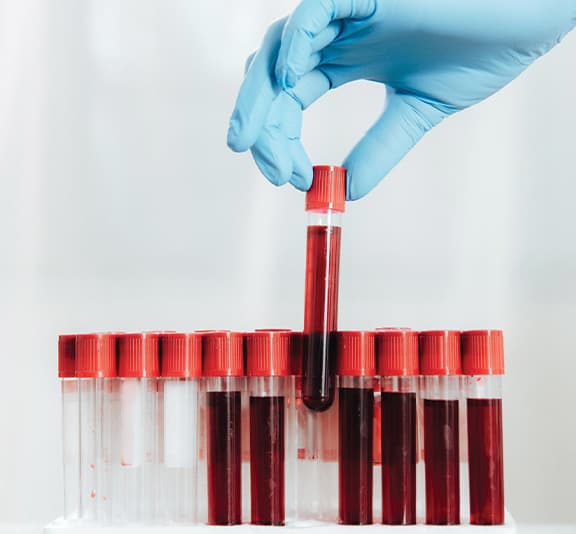
Whole Blood
Autologous: It’s the collection, normal testing and processing of a
patient's own blood for him or herself. This can only be performed
for planned surgery. SANBS Medical Officer will assess the patient's
eligibility in terms of general health and other requirements.
Directed: A patient can ask a family member or friend to donate.
Chosen donors have to meet the same criteria as normal donors and
must naturally also have a blood type compatible with the patient
receiving the blood.If blood
is donated by first line blood relatives, it will require a
further step of irradiation to prevent an entity called
Transfusion Associated Graft verse Host Disease.
Apheresis
Platelet: Platelets play a vital role in blood clotting and
prevention of excess blood loss. Platelet donation is a simple
process that takes about two hours to complete. The blood is
processed through a cell separator, which retains the platelets and
returns the other blood components to the donor’s system. This
procedure enables people to donate platelets every month.
Plasma: Plasma contains many important components that can be given
to patients with special needs.
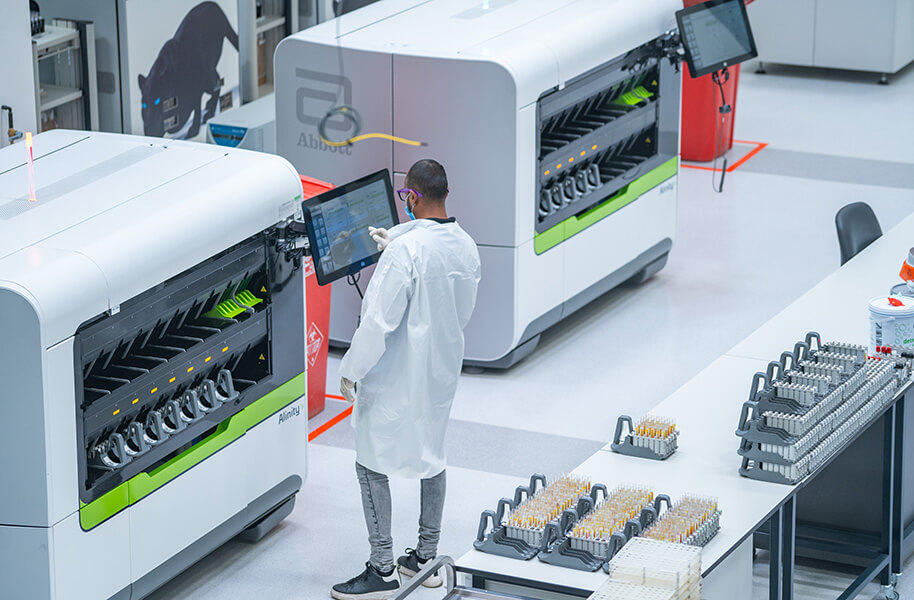
Plasma donation is a similar process to platelet donation, and takes
about 90 minutes. The blood is processed through an aphaeresis
machine that filters out the plasma and returns the red cells and
other cellular components to the donor’s system.
As all the red cells are returned, these donors are able to donate
more frequently than whole blood donors. Specialized equipment is
needed for plasma and platelet donation, so these procedures are
only carried out at particular donor centres or branches.
After donating, eat well and increase your fluid intake for the next
four to six hours. Do not smoke for at least 30 minutes. Also avoid
strenuous physical exertion and lifting heavy objects with the arm
used for making the donation for at least two hours afterwards.
Autologous donation
This option is an alternative to allogeneic blood for those patients
whose general condition falls within donor guidelines, and whose
intraoperative blood requirements can be reasonably accurately
assessed.
Suitable candidates must be able to tolerate the rapid withdrawal of
450-500 ml of blood, and the longer-term reduction in haemoglobin
levels. They should be over 50 kg in weight, have a haemoglobin
level of 11 g/dl (Hct of 0.33) or more, and be between the age of 16
and 70.
Older or younger patients may be accepted after consultation with
SANBS medical staff. Absolute contradictions to admission to this
programme include severe heart disease, severe respiratory disease
and bacteraemia. Other conditions such as insulin dependent diabetes
mellitus and patients on anti-convulsive therapy should be assessed
carefully in conjunction with the attending physician.
The patient’s doctor should initiate all requests for this procedure
and refer the patient to the Regional Blood Transfusion Service. The
procedure should be initiated about six weeks prior to the operation
depending on the amount of blood needed.
Designation donation
Another alternative to allogeneic or autologous transfusion is the
donation of the patient’s blood requirements by family or friends
who have compatible blood groups. However, in terms of voluntary
self-deferral safety, this carries a risk of the exertion of undue
pressure by the prospective recipient.
It must be reiterated that this is not an option in an emergency
situation, as all blood must be fully tested before issue. Blood
from relatives carries the risk of “graf"
Next >
|
What type of blood can I donate
- Whole blood (which is Autologous & Directed);
- Apheresis (which include Platelet & Plasma)
|