
Donor FAQs
Why should I donate blood?
The need for blood affects us all. Eight out of ten people need
blood or blood products at some time in our lives. One out of every
ten patients in hospital requires blood transfusion. The number of
blood donations that patients receive depends on their medical
condition. Although an average of three donations is transfused to a
patient, some patients require many more.
Blood is in constant demand for the treatment of patients involved
in accidents, patients with cancer, leukemia or with a bleeding
disorder such as haemophilia among others. Many surgical operations
would not be possible without the availability of blood. Blood may
be needed during or following childbirth or for an exchange
transfusion in newborn babies.
The need for blood never stops. Blood donors save lives. Every blood
donation gives the person who receives it a new chance at life.
Who may donate blood?
Donors must be between the ages of 16 and 65, weigh at least 50kg,
not have donated blood within the previous 56 days. The criteria,
which are applied before a person can be accepted as a blood donor,
are very strict. Not everyone can be a blood donor. The strict
criteria applied to the selection of blood donors are designed to
protect the health of the donor as well as the health of the patient
who receives the blood.
For example, people who have certain medical conditions or who are
taking certain types of medication are not permitted to donate.
People whose social behaviour places them at increased risk of
transmitting infections through transfusion are also not permitted
to donate blood, and must please not do so.
SANBS’ mission is to provide all patients with sufficient, safe,
quality blood. If you are in any doubt about whether you should
donate blood, please discuss it with an SANBS staff member.
Do I need my parents’ permission to give blood?
You may decide for yourself whether you want to become a blood donor
from the age of 16. If you are a scholar, it is usually a good idea
to discuss blood donation with your parents doing so.
What do I get in return for my blood donation?
Blood is donated voluntarily, freely and without payment or reward
of any kind. Blood must only be donated in the spirit of altruism
for patients who need blood or blood products as part of their
medical treatment. Blood is donated as an act of goodwill towards a
fellow human being, and nothing should be expected in return for
giving this gift of life.
What you do get in return is a physical and emotional sense of
well-being and the knowledge that you saved someone’s life. We all
hope that someone will do the same for us when we need a blood
transfusion.
If any of the exclusion criteria apply to you, or if for any reason
you think that your blood may be unsafe to transfuse to a patient
you’re advised not to donate.
Is there a substitute for blood?
Blood is made up of different components and each component has its
own important function. The main function of red blood cells is to
carry oxygen to the tissues and remove carbon dioxide.
The main function of platelets and the coagulation factors is to
prevent and stop bleeding. Each one of these blood components has an
important role, and any one of these components may be used in the
treatment of patients with certain medical conditions.
Substances designed to carry oxygen such as a haemoglobin solution
prepared from cattle’s blood are currently being evaluated. This is
available in very limited quantities internationally. These oxygen
carriers circulate in the blood stream for a short period and are
usually only used as an interim measure.
In cases of trauma or during surgical operations, blood volume which
is lost by the patient may initially be replaced with synthetic
solutions (crystalloid or colloid solutions) such as normal saline.
These solutions are not recognized as “blood substitutes” but are
blood volume expanders. They do not carry oxygen.
They are frequently used in the initial treatment of patients, for
example in the ambulance or in the operating theatre, while blood is
being obtained from the blood bank.
There is no substitute for blood. When the patient’s haemoglobin
level, platelet level, or coagulation factor level falls below a
critical point, blood transfusion is the only option.
Patients rely on voluntary blood donors to provide red blood cells,
platelets and clotting factors, to meet their medical needs.
What does it mean to have a rare blood type?
Every person belongs to one of the four ABO blood group types, i.e.
A, B, AB, or O. In addition to these ABO blood groups, people’s red
blood cells consist of many other antigens as part of their red cell
structure.
Occasionally, people have an unusual, specific red cell antigen.
Alternatively, some individual’s red cells lack an antigen which is
common to most people. This would be recognised as a “rare” blood
type. Some patients have antibodies against a specific blood type
and in these circumstances it may be difficult to find blood from a
regular blood donor, which is compatible with that of the rare type
of the patient.
Before every blood transfusion, compatibility tests are performed on
the blood of the patient and on the blood of the donor, to ensure
that the transfused blood won’t cause any untoward reaction in the
recipient.
First time blood donors are notified by mail of their ABO blood
group and Rhesus (Rh) blood type, after the blood has been tested in
the central laboratory.
How does SANBS meet the need for rare blood types?
If a patient who needs a blood transfusion is identified by the
blood bank as having an unusual blood type, blood that is compatible
with that of the patient will be identified from the panel of
regular blood donors.
South Africa has compiled a panel of blood donors who have rare
blood types. This is the so-called “rare donor file”. Blood from
donors on this panel can be obtained whenever needed.
In exceptional cases, where compatible blood cannot be obtained in
this country, blood is obtained from another countries through the
international rare donor file. Similarly, on rare occasions, blood
from a South African donor will be sent to an overseas country to be
transfused to a specific patient with a rare blood group antibody.
Is there anything special I need to do before donating?
Eat at your regular mealtimes and drink plenty of fluid before you
donate blood. Have a snack at least four hours before you donate,
but do not eat too much right before the donation.
Before you leave the blood donor clinic after your blood donation,
have some tea, coffee or a soft drink to help replace the blood
volume (approximately 480 ml) which has been reduced as a result of
your donation.
Avoid taking aspirin or aspirin-like anti-inflammatory medication in
the 72 hours prior to your donation, because aspirin inhibits the
function of blood platelets. If you have taken aspirin within this
period, your blood platelet component cannot be transfused to a
patient.
What is the procedure when I donate blood?
Firstly, you will be asked to provide personal details such as your
name, address, age, weight, ID number and / or date of birth. A
medical history is taken by means of a written questionnaire.
These questions are designed to ascertain that it is medically safe
for you to donate blood and that the recipient of your blood will
not be harmed in any way. In addition, very personal questions
relating to your social behaviour are asked to ascertain that you
are not an individual at increased risk of potentially transmitting
infection through transfusion. People are asked to exclude
themselves from blood donation if any of the exclusion criteria
apply to them.
A finger prick test is performed in order to ascertain if your
haemoglobin level is within a safe range for donation purposes. In
addition, your pulse rate and blood pressure will also be checked.
Potential donors will be permitted to donate only if these
measurements are within the defined, acceptable range. If everything
is in order you will proceed to donate your blood.
How long does the donation take?
The procedure, which is performed by a trained, skilled nurse, takes
approximately 30 minutes. You will give about 480ml of blood, after
which you will be advised to remain on the donor bed for a few
minutes longer while having some refreshments. Plan to spend about
half an hour to an hour at the blood clinic for the entire process,
depending on the size of the clinic and the number of donors.
Does the needle hurt the entire time?
No. There may be a little sting when the needle is inserted, but
there should be no pain whatsoever during the rest of the donation.
How long will it take my body to replenish the donated blood?
Your body replaces the blood volume (plasma) within 24 hours. Red
blood cells are replaced by the bone marrow into the circulatory
system within about three to four weeks, while the lost iron is
replaced over approximately six to eight weeks.
How will I feel after the donation?
Most people feel great! Donors who know what to expect and have
eaten regular meals, or have had a snack and fluids before donating,
are usually fine. Most people who donate blood have no after-effect.
Drink extra fluids four hours following your donation. A small
number of people feel light-headed and others occasionally faint
after donating.
In the unlikely event that you feel faint, be sure to quickly lie
completely flat. Lying flat, even if on the floor, with your legs
elevated, will usually resolve any feelings of dizziness or
light-headedness quite quickly and may prevent fainting.
In the event that you do not feel well after a blood donation,
please contact the staff at your nearest blood donor centre.
Can I donate during my menstrual period?
Yes, if you are feeling well.
How soon after donating can I participate in sport?
After donation, it’s best to have a snack and drink plenty of fluids
over the next four hours. You can then resume routine sporting or
training activity. It is advisable not to donate blood three to four
weeks before participating in a major sporting event such as the
Comrades Marathon, or a competitive rugby or soccer match, where you
intend to push yourself to the limit of your ability.
In the unlikely event that you do feel faint, light-headed or unwell
during any sporting activities, the standard good advice is to
immediately stop the activity and rest. Many active sports people
are active blood donors.
Sportsmen who frequently push themselves to their limit during their
sporting activities should consider donating only platelets. In this
situation the red blood cells are returned to the donor after the
donation and the individual’s oxygen-carrying capacity and
performance aren’t compromised. Facilities for donating platelets
are available in Pretoria, Johannesburg, Durban, Bloemfontein and
Cape Town.
How often can I donate blood?
You may donate either whole blood or a specific blood component such
as blood platelets. Each type of donation requires a certain waiting
period before you can give again. After a whole blood donation, a
person must wait at least 56 days before donating again.
This makes six donations a year quite possible. Most people can
comfortably give four donations per year. Women of childbearing age
are advised to give no more than four donations per year. Platelet
donors are able to donate as often as once a month (12 times per
year), while dedicated whole blood donors can even fit in seven
donations every second year.
Is it possible to get AIDS from donating blood?
No, certainly not! You cannot get Aids or any other infectious
disease by giving blood. This is a commonly asked question,
especially among young people, who have heard of the link between
HIV and blood. The materials used for your blood donation, including
the needle, bag, tubes and finger prick needle are new, sterile and
disposable. These are used only once for your blood donation and
then destroyed after use
What is a “unit” of blood?
A unit is about 480ml of donated blood. The average adult has
between four and five litres of blood in his or her body, and can
easily spare one unit.
What tests are performed on my blood after donation?
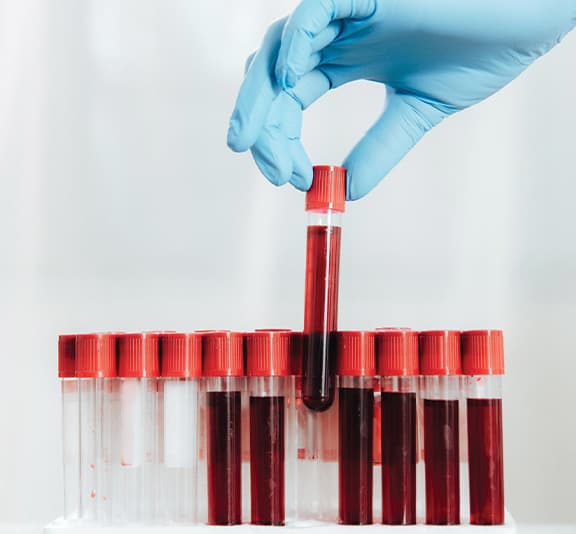
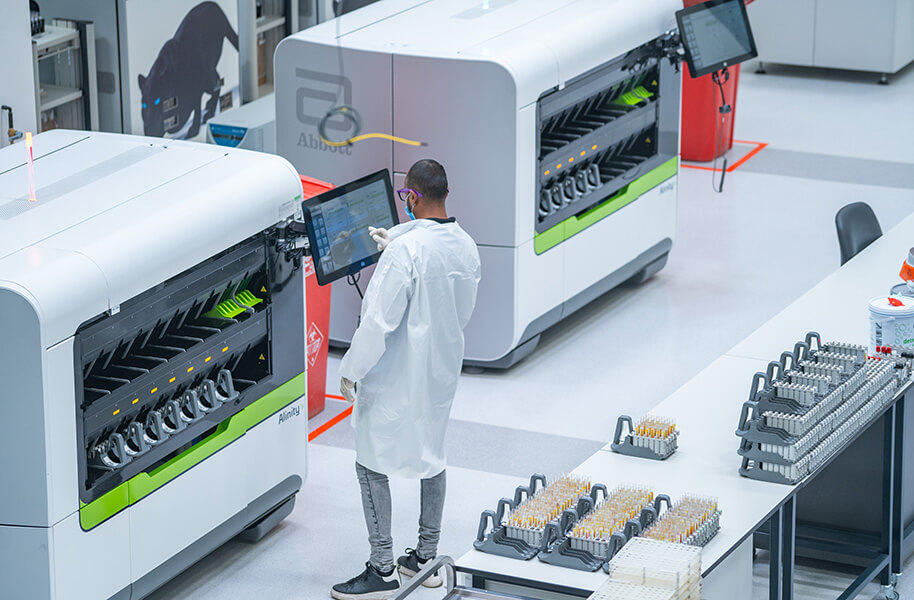
Specimen of your blood will be tested to determine your ABO blood
group and Rhesus (Rh) type. Other tests will be performed to detect
certain transfusion-transmitted infections such as hepatitis B,
hepatitis C, Syphilis and HIV/AIDS. Not every infection in a
person’s blood can be detected by these blood tests. It is therefore
vitally important that people who may have been infected with a
transfusion transmissible disease must not, under any circumstances
donate blood.
After the tests have been performed, your blood will be used either
as whole blood (transfused to one patient) or, after separation into
its various components such as the red blood cells, platelets and
plasma component to help several patients.
|
|